


We are so excited to tell you about a major victory that our supporters helped achieve. Yesterday at the UN Ocean Conference, the Colombian government announced it will create four new official marine reserves, including one expanding the fully protected Malpelo Sanctuary of Fauna and Flora. Colombia will now surpass the goal of protecting 30% of its waters eight years before the 2030 deadline! The initiative to protect 30% of the global ocean by the year 2030, referred to as 30x30, is a target that scientists have indicated is necessary in order to prevent irreversible loss of marine life. A huge thank you to everyone who made their voice heard on the petition to protect the Eastern Tropical Pacific marine corridor. And, of course, this win would not have been possible without the hard work and dedication of Colombia’s environmental, fishing, and maritime authorities, along with scientists, the private fishing sector, nonprofits, and the people of Colombia. With this remarkable action, Colombia will strengthen local fisheries, sustainable livelihoods, and the protection of marine biodiversity in its native waters and throughout the Eastern Tropical Pacific marine corridor. If you’d like to move another campaign to create sanctuaries close to victory, consider adding your name to the brand-new petition to expand the Pacific Remote Islands Marine National Monument 🌎 ⛵️
Add your name to the petition, and we’ll deliver your signature to key New York lawmakers.
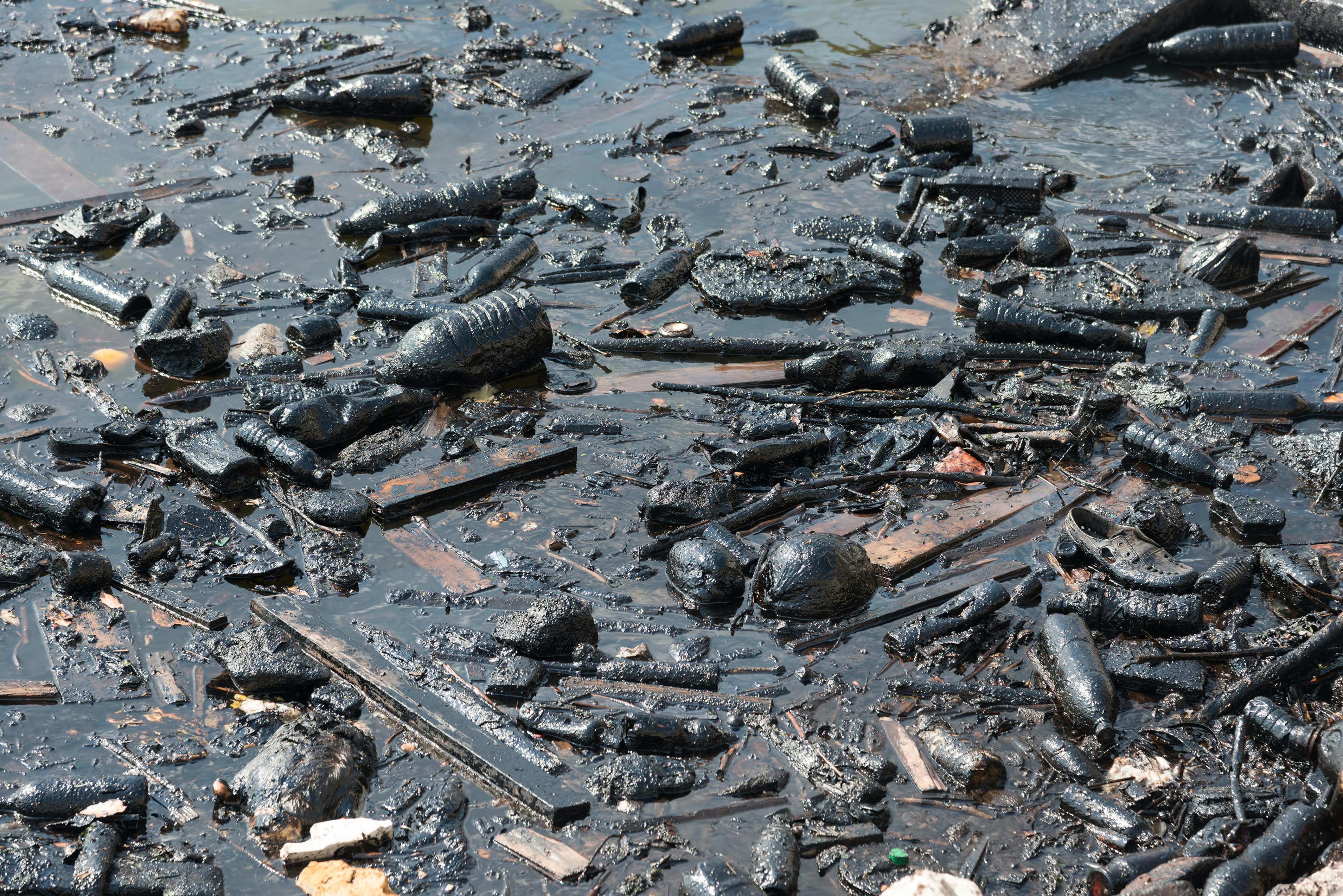
Right now, New Yorkers have no control over how much single-use packaging is pumped into the market by retailers and companies. As a result, companies have spent decades creating crushing amounts of plastic pollution and waste, and New Yorkers have been forced to bear the costs.
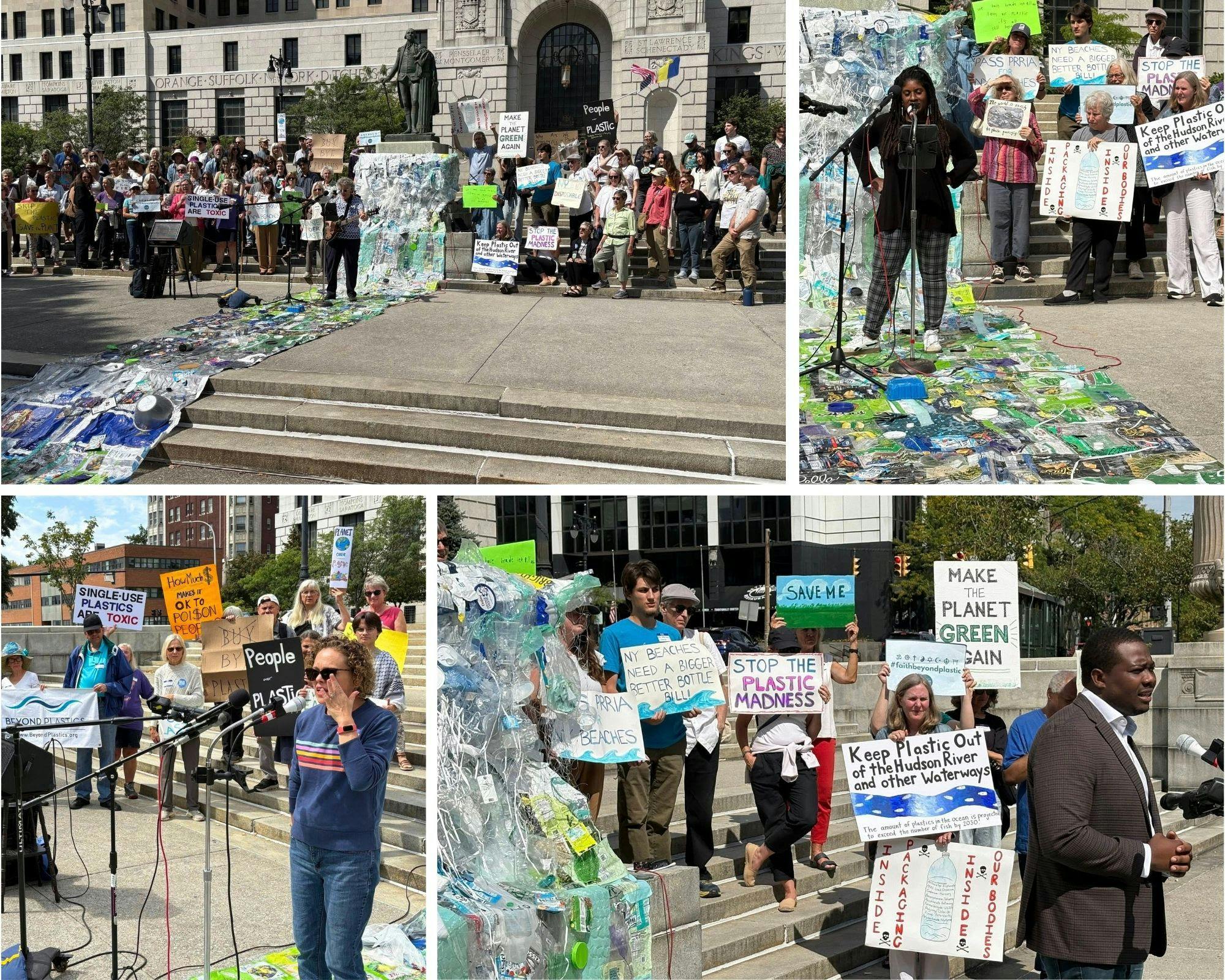
But a new bill that’s backed by environmental groups across New York could turn the plastics crisis on its head.
The Packaging Reduction and Recycling Act (A.1749/S.1464) would require companies to:
Reduce their packaging by 30% in 12 years.
Make the remaining packaging truly reusable or recyclable.
Get certain toxic chemicals out of packaging.
Pay to clean up their packaging waste by reimbursing municipalities and taxpayers for the collection and processing of those materials.
Prohibit incineration and "chemical recycling" from counting as recycling.